

Daily portfolio values on banking apps train clients to judge success on noise. Adviser reports that mirror the same frequency reinforce the habit. We deliberately slow the signal: quarterly narratives anchored to policy ranges, with intraday prices omitted unless a limit breach requires action.
Metrics we prefer
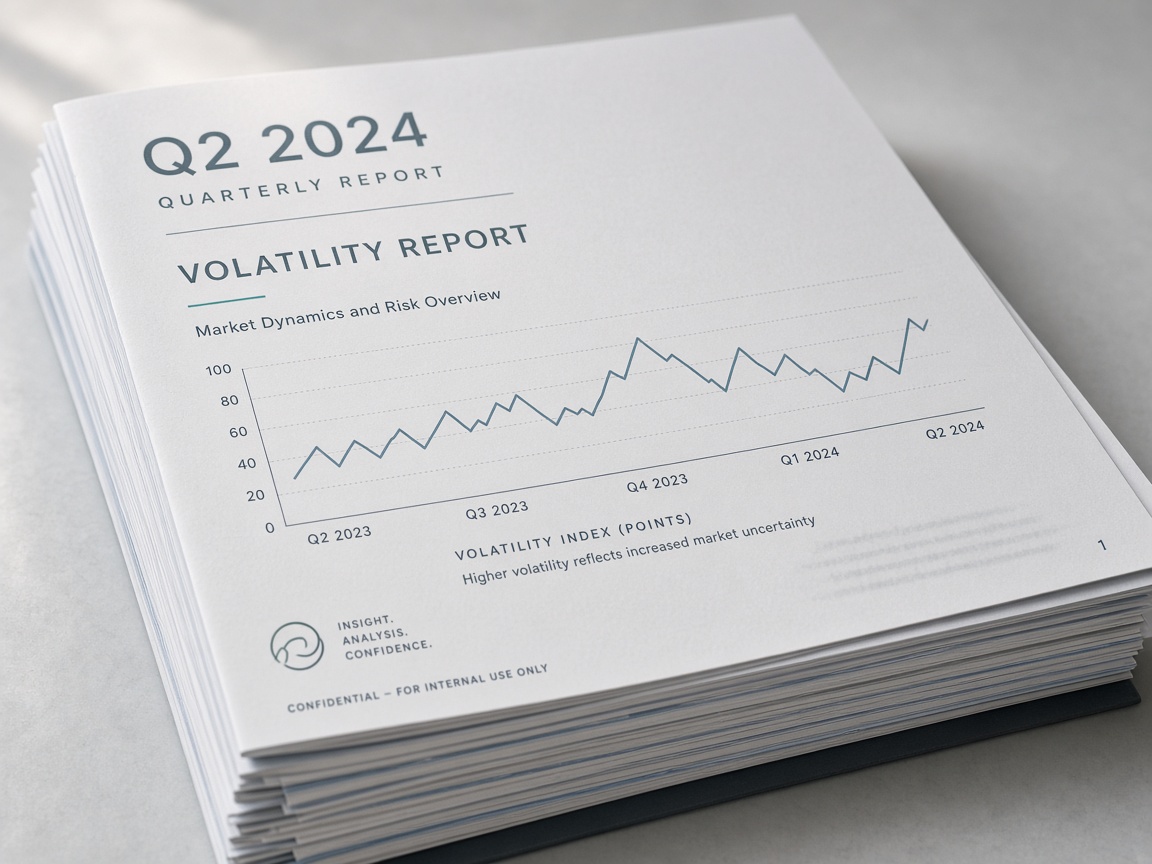
Distance to policy shows how far each sleeve sits from midpoint targets. Floor coverage translates cash and defensive holdings into months of essential spending. Realised volatility over the reporting window is compared to the IPS risk budget, not to headlines about VIX.
Our opinion
URIAH INVESTMENT PTY LTD believes good reporting reduces calls that begin “should we do something today?” by answering preemptively whether anything in the IPS changed. If the answer is no, the report says so in the executive summary—freeing time for strategic topics in scheduled reviews.
When we escalate frequency
Material issuer events, liquidity breaches, or client-requested transitions trigger ad hoc notes. Those are exceptions, not a new default cadence. See risk budget case study.