


Investment advisory support
Advisory support begins with understanding your objectives in measurable terms: required return bands, maximum drawdown tolerance, liquidity windows, currency exposure, and any ethical or concentration constraints. We translate those inputs into an investment policy statement (IPS) that becomes the reference for future recommendations. Without that document, every conversation risks becoming a series of disconnected trades rather than a coherent plan.
Our advisory output typically includes asset allocation ranges, instrument selection criteria, and implementation sequencing. For example, if you face a large taxable gain, we may model staggered disposal paths and illustrate trade-offs between immediate diversification and tax deferral—always noting that tax outcomes depend on your accountant’s advice. Model portfolios are prepared only after we understand your objectives and constraints.
Where you already work with other professionals, we can coordinate on a “no surprises” basis: sharing allocation targets with your accountant before year-end, or aligning cash reserve levels with your solicitor’s trust instructions. Coordination does not make us responsible for their advice; it reduces friction in execution.
Portfolio strategy and implementation planning

Portfolio strategy connects the IPS to holdings you actually own. We map current positions to strategic buckets (cash, defensive income, growth, alternatives where permitted), measure drift, and identify concentration risks that policy limits were meant to prevent. Implementation planning covers order of operations: which exposures to reduce first, how to deploy incoming cash, and when to rebalance versus when to tolerate temporary drift inside bands.
For clients with concentrated equity—often from employer shares or a successful private business—we stress-test scenarios: partial sale, hedging concepts at a high level, and charitable or trust structures only as topics for your legal adviser. Our role is to quantify portfolio impact, not to endorse a single heroic bet.
We also document “do not trade” periods when markets are volatile but your IPS has not changed. That discipline protects you from reactive decisions that feel urgent in headlines but violate your own rules.
Research and insights
Research summaries are prepared for your mandate, not for mass distribution. They may cover macro drivers relevant to Australia (interest rates, AUD, sector regulation), liquidity conditions in listed markets, or issuer-specific notes where you hold material exposure. Each summary states data sources, date of preparation, and what would falsify the view.
Our insights reflect house views on markets and process. They support informed conversations and are not trading instructions. Request a proposal when you wish to discuss an engagement.

Client reporting and review cadence

Reporting packages are agreed upfront. A typical quarterly report includes: opening allocation versus policy ranges; performance in context (benchmarks only where appropriate and disclosed); income and cash flow summary; fee disclosure; and a short narrative on changes we recommend or have implemented with your authority. Annual reviews add mandate reaffirmation, stress test refresh, and a forward calendar of known liquidity events you have told us about.
We design reports for readers who are not full-time investors: headings that answer “what changed?”, “why?”, and “what do you need from me?” If you require bespoke metrics—charitable giving targets, trust distribution planning, or ESG exclusions—we embed them as explicit sections rather than informal email threads.
Risk monitoring and escalation
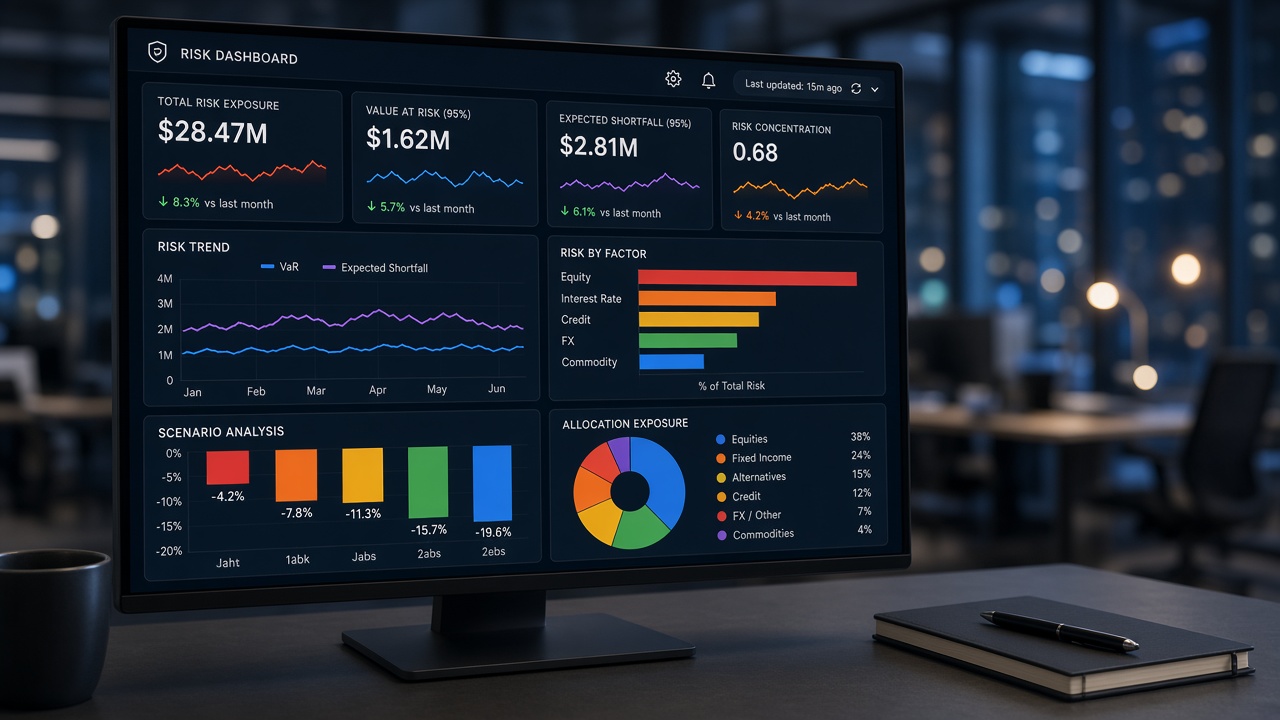
Risk monitoring compares live exposures to limits in your IPS: single-issuer caps, sector ceilings, liquidity minimums, and leverage or derivatives boundaries if applicable. Breaches trigger an escalation path: notify you, document the cause (market move versus manual trade), and propose corrective steps within agreed timelines. We do not auto-trade on your behalf unless a separate authority explicitly grants that power.
Fees and engagement boundaries
Fees are quoted in your proposal—commonly fixed retainer, project fee, or hybrid structures for discrete events. We explain what is in scope (meetings, reports, research hours) and what requires a change order (major mandate rewrite, additional entities, urgent bespoke modelling). There are no hidden platform rebates described on this marketing site; commercial terms live in your contract.
Getting started
See case studies for illustrative examples of mandate types we work on. They are anonymised and not a promise of future results. Submit a proposal request or contact our Chatswood office when you are ready to talk.
Representative work
These anonymised scenarios show how service lines combine in practice—liquidity design, reporting packs, and risk resets—not advertised returns.
Cross-border reporting pack
Normalising multi-custodian feeds into one AUD reporting calendar.
View case studyOperating cash reserve policy
Tiered cash for trust distributions and operating company working capital.
View case study